The Gamification of Our World: A Neuroscience and Psychology Perspective
“The Game gives you a Purpose. The Real Game is, to Find a Purpose.” - Vineet Raj Kapoor
The Gamification of Our World: A Neuroscience and Psychology Perspective
Exploring the Neurological Underpinnings of an Increasingly Game-Like Society
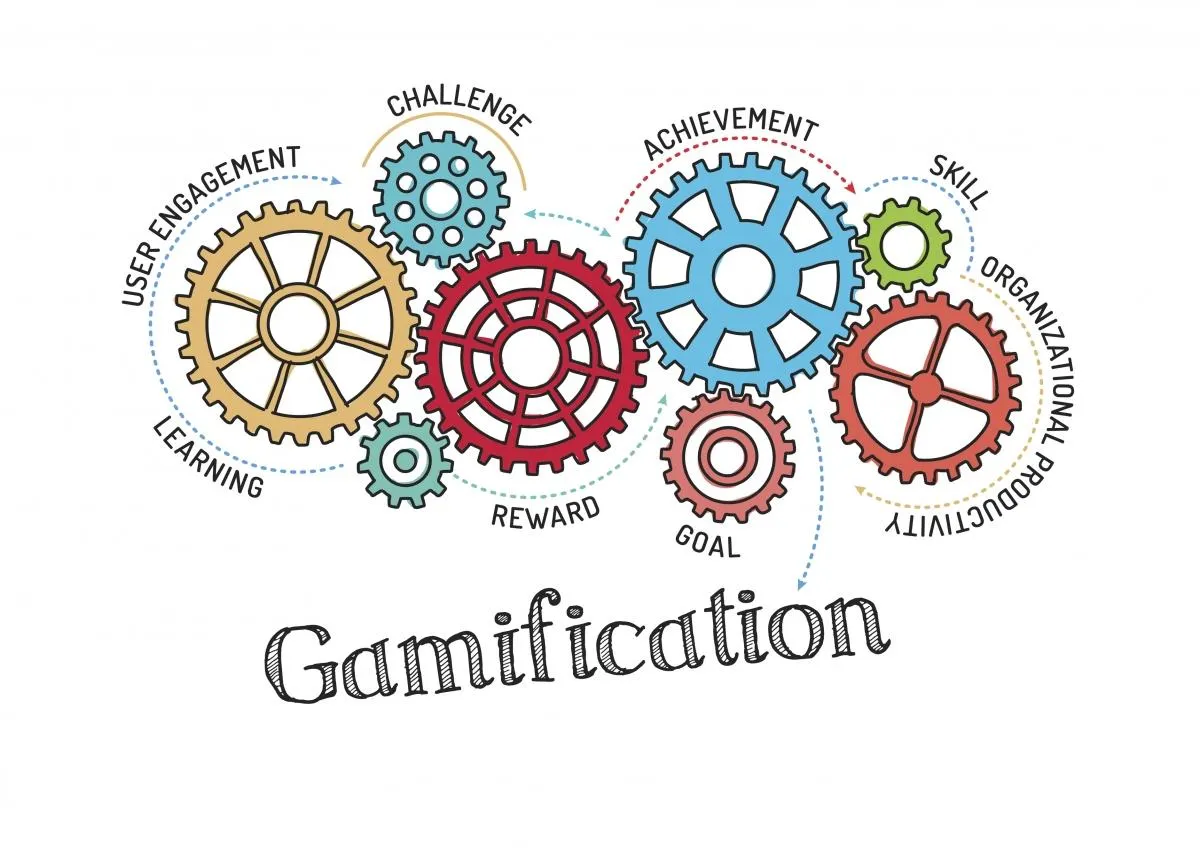
In the modern era, the concept of gamification is profoundly transforming our approach to routine tasks, social interactions, and professional endeavors. As a neuroscientist and psychologist, I'm intrigued by this trend's impact on our brain function and behavior. This blog post delves into the essence of gamification, its effects on the brain, and its potential benefits and drawbacks.
What Makes Something a Game?
Games are defined by rules, goals, feedback systems, and voluntary participation. Their allure lies in challenges, problem-solving stimulation, and immediate rewards or feedback, which significantly affect our brain's engagement and response.
The Brain’s Response to Gamification
Gamified activities activate specific neural circuits, particularly the brain's reward system involving dopamine. Achieving a goal or completing a task in a gamified setting prompts dopamine release, which is associated with pleasure and motivation, explaining why games are engaging and potentially addictive.
The Double-Edged Sword of Gamification
While gamification offers benefits like enhanced learning, productivity, and motivation in health and fitness, it also has downsides. Overemphasis on external rewards can reduce intrinsic motivation, and excessive gaming can lead to addictive behaviors, especially in younger individuals.
Deciphering Gaming: From Simple Puzzles to Complex Virtual Realities - The Neuroscience Behind Preferences, Design, and Impact
Simple vs. Complex Gaming Preferences
The preference for games like Wordle or crosswords over expansive metaverse games is based on the brain’s response to structured, defined goals. Wordle or crossword enthusiasts likely enjoy the clear objectives and tangible outcomes, while metaverse games cater to those seeking ongoing challenges in a dynamic environment.
Gaming Mechanics: Designed with the Brain in Mind
Gaming mechanics are crafted with behavioral and neurological principles, using operant conditioning and positive reinforcement to engage players. This taps into the brain’s reward pathways, ensuring high levels of engagement and a continuous drive to play.
The Addictive Nature of Games vs. Their Benefits
Games can be addictive due to their consistent stimulation of the brain’s reward system. However, when used correctly, this mechanism can motivate healthier behaviors, as seen in gamified health and fitness apps providing immediate feedback and rewards for achieving health-related goals.
Conclusion: Balancing the Gamified Life
In our increasingly game-like world, striking a balance is essential. Gamification's benefits leverage the brain's reward systems for motivation and engagement, but we must be cautious of its potential to reduce intrinsic motivation and foster addictive tendencies. Understanding technology, psychology, and neuroscience's intersection is key to using gamification as an enhancement tool, not as a crutch in our daily lives.
Stay tuned for more insights on the psychological and neurological aspects of our evolving digital landscape.